


ISTE Is the Biggest U.S. EdTech Conference. It Is Not Always the Best Investment.
Just because ISTE is the biggest conference, doesn't mean it's the best one for your company. Let's break down what it takes to make the most of the experience.
Just because ISTE is the biggest conference, doesn't mean it's the best one for your company. Let's break down what it takes to make the most of the experience.

So many EdTech award programs are not worth the time, effort, and expense. Here’s four that are worth it.

Language is changing in EdTech, in business broadly, and just in general. I've noticed that something has crept into the way we talk to each other, and I think it’s corrosive to expressing how we feel about each other.

The U.S. K-12 EdTech market is part of a $214 billion global sector. But it's not one market, it's fifty-plus. Here's what the 2026 data on enrollment, funding, and market structure actually means for your go-to-market strategy.

K-12 education funding flows from three sources: federal, state, and local. Knowing which programs apply to your EdTech solution is what closes deals.
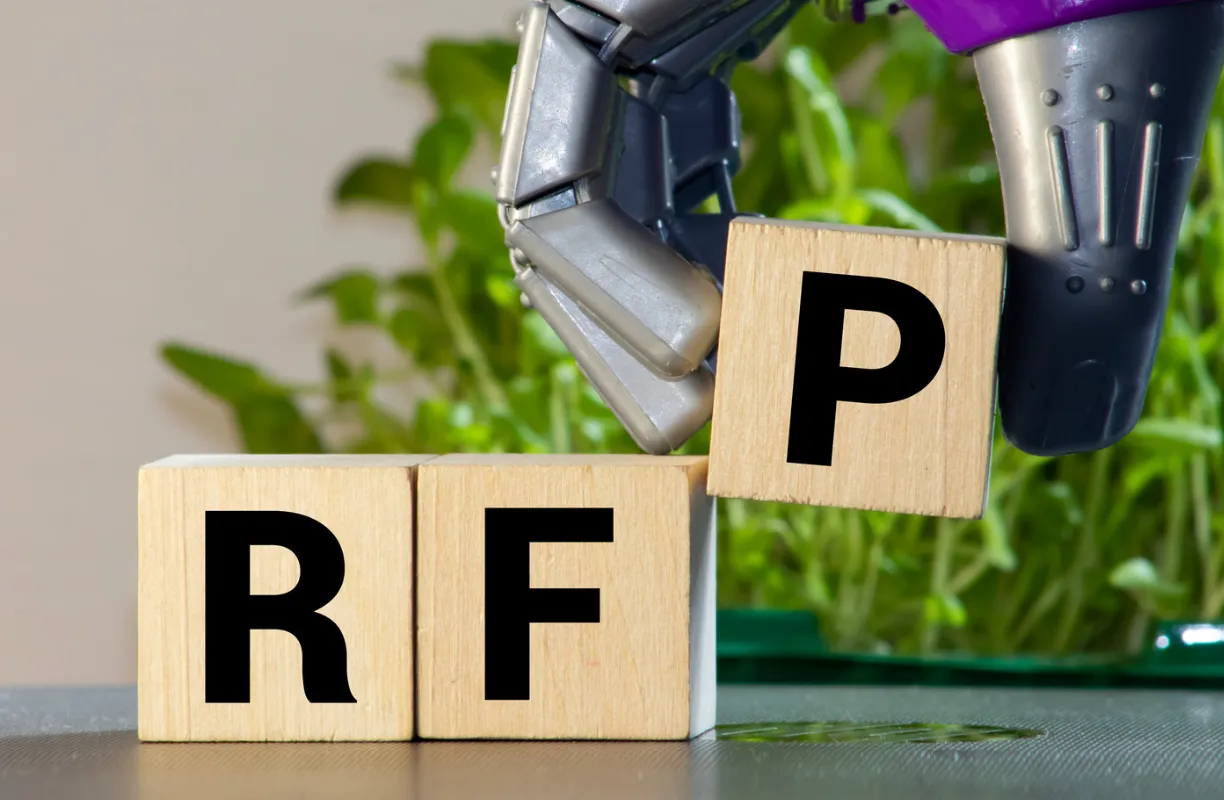
A Request for Proposal is the most unambiguous signal the education market sends: a district has a defined need, has allocated budget, and is ready to select a solution. The only question is whether you are prepared to respond well enough to win.

Most EdTech companies have one version of their pitch. It covers the product, the outcomes, the pricing model, and the implementation approach. It is usually built around what the company wants to say, not what each buyer persona needs to hear.

Every EdTech company has, at some point, been in a district conversation and realized too late that they were talking to the wrong person. Or worse, the right person, but with the wrong message. The buyer persona framework exists to prevent both failures at scale.