
It's TIME We Talked About EdTech Awards
When 250 companies are declared the top EdTech companies in America, the phrase loses its meaning almost immediately.
When the second largest district in the country unanimously votes to audit its EdTech contracts and pull devices from its youngest students, the market is telling you something about where the conversation is headed.
The rural K-12 market is not a secondary consideration or a footnote to a broader go to market strategy. It is a substantial, diverse, and underserved segment of American education.
Expanding into international markets without local knowledge is one of the more avoidable ways to waste a year and a significant budget.
So many EdTech award programs are not worth the time, effort, and expense. Here’s four that are worth it.
I'm not suggesting we drain the warmth from our interactions. I'm not asking anyone to stop being enthusiastic. But there's a version of enthusiasm that is earned and specific and therefore actually moves people. Then there's a version that is reflexive and inflated and therefore moves no one.
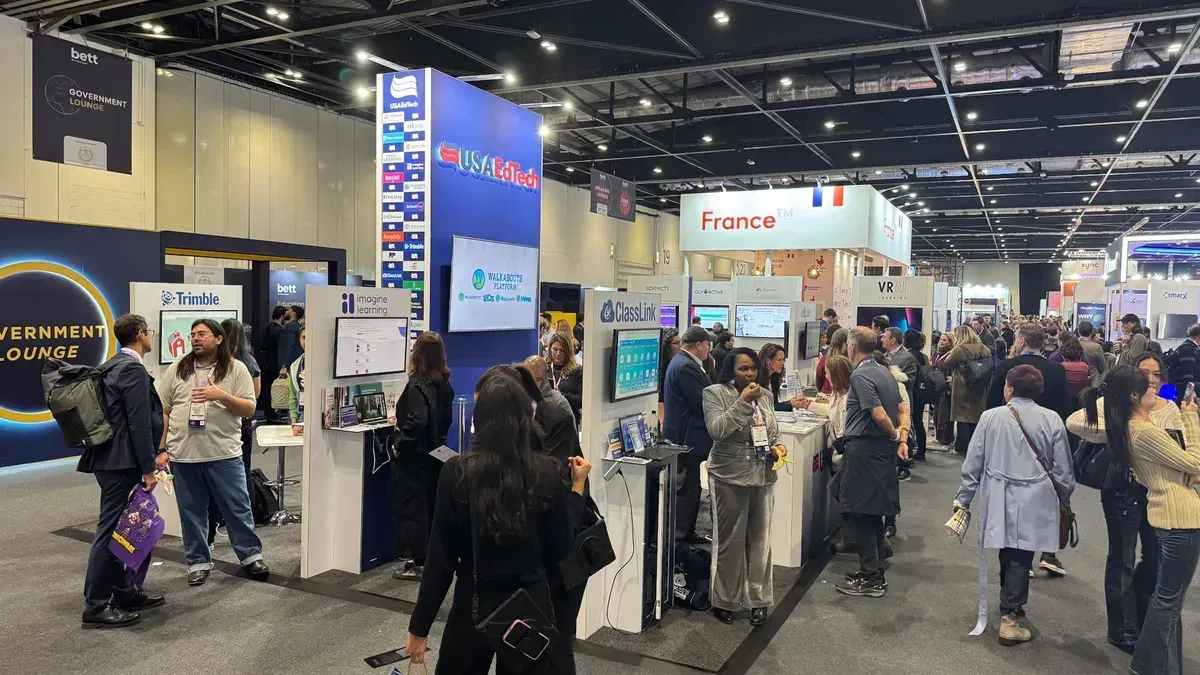
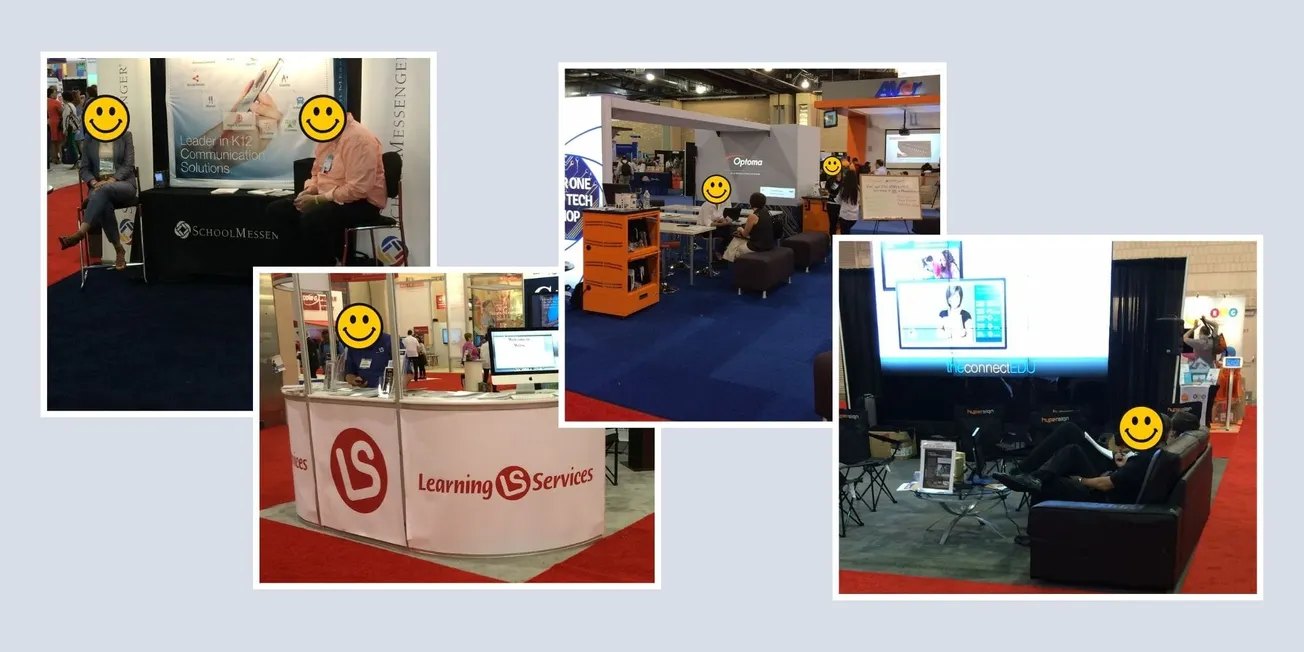
I have walked a lot of conference exhibit halls over the past twenty years. The booths that pull people in and the booths that repel them are usually separated by one thing: whether the staff is standing at the edge of the space or hiding behind a table with their phones out.
Inequity is not transactional. It's a lived experience that has not quieted down in the past six years, much less the past 400 years. When an education company goes silent, it's transactional choice about whose discomfort gets prioritized.
Companies that come back from conferences with real traction are the ones that treated the conference as the last step in a preparation process, not the whole event.
Most companies entering the U.S. market assume their content is closer to ready than it actually is. The gap analysis tells a different story.
Most EdTech companies have one version of their pitch. It covers the product, the outcomes, the pricing model, and the implementation approach. It is usually built around what the company wants to say, not what each buyer persona needs to hear.
Just because ISTE is the biggest conference, doesn't mean it's the best one for your company. Let's break down what it takes to make the most of the experience.
One of the most consistent surprises for companies entering the U.S. K-12 market is the depth of teacher support that U.S. schools expect at the point of purchase.
A Request for Proposal is the most unambiguous signal the education market sends: a district has a defined need, has allocated budget, and is ready to select a solution. The only question is whether you are prepared to respond well enough to win.