


You Built the Curriculum. Now You Have a Publisher's Problem
The K-12 content landscape has changed. Some of the most effective instructional material being used in classrooms today wasn’t created by a traditional publisher.
U.S. districts have specific product expectations that most entrants discover too late, and that existing operators sometimes underestimate. This category covers standards alignment, FERPA and COPPA compliance, SSO and Rostering integrations, Section 508 accessibility, language localization, and the teacher support infrastructure that determines whether a purchased product gets used. The checklist operators wish they'd discovered before they started.
The K-12 content landscape has changed. Some of the most effective instructional material being used in classrooms today wasn’t created by a traditional publisher.
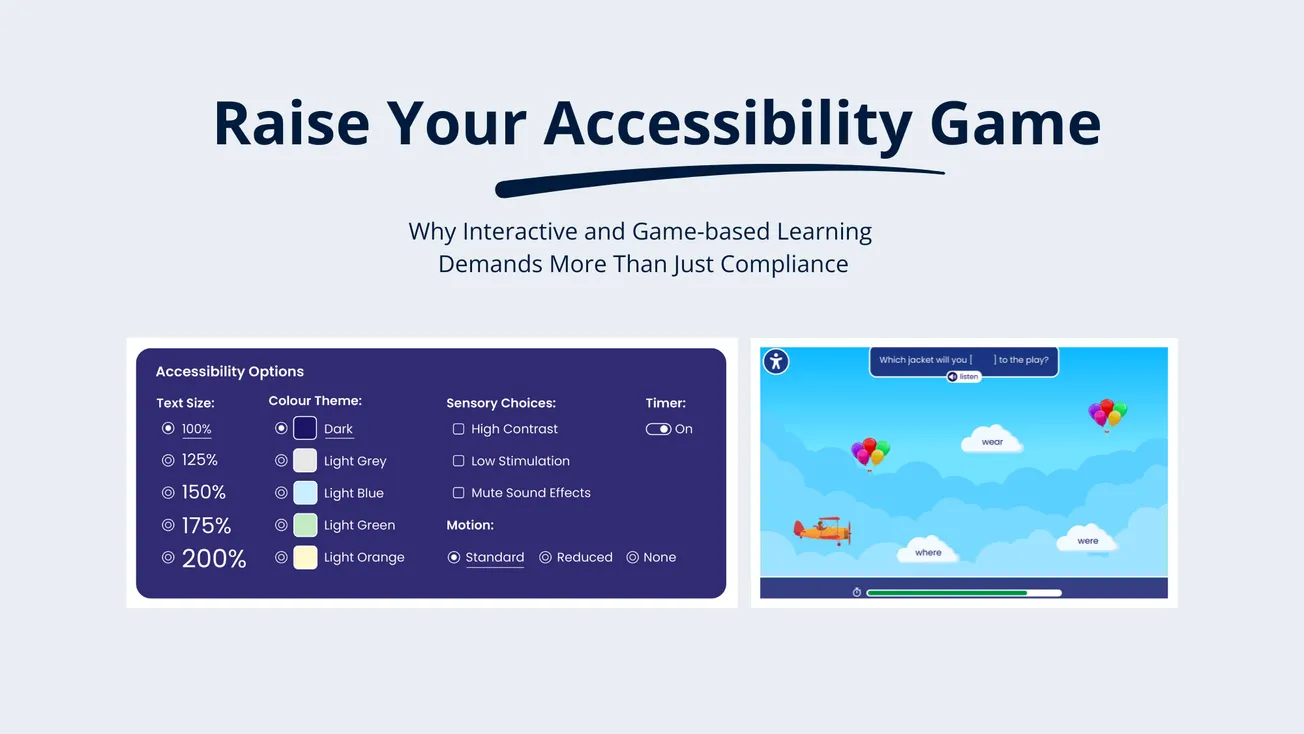
Our industry is increasingly focused on digital accessibility standards due to regulations such as Title II in the United States and the European Accessibility Act. For developers of interactive and game-based learning content, complying with these standards presents real challenges.

On April 24, 2024, the U.S. Department of Justice finalized a new rule under Title II of the Americans with Disabilities Act, imposing significant digital accessibility requirements on public entities, including public schools and universities. The deadline is April 24, 2026.


When we talk about curriculum mapping with EdTech clients, we usually have to reframe it first.

Most companies entering the U.S. market assume their content is closer to ready than it actually is. The gap analysis tells a different story.

the United States does not have an official national language. English is the dominant language of instruction in most public schools, but the linguistic diversity of American students particularly in the largest state markets is a product requirement, not an optional feature.

One of the most consistent surprises for companies entering the U.S. K-12 market is the depth of teacher support that U.S. schools expect at the point of purchase.

Adoption states and open territory states are not the same market. Companies that treat them identically waste years and millions finding that out.