


One Document Ends Most of Your Event-Planning Chaos
If your event details live in twelve email threads and one person's memory, you do not have a plan. You have a single point of failure with a nice booth.
The K-12 market runs on relationships, and relationships are built in specific places. This category covers every major venue for reaching district decision-makers, such as ISTELive, AASA NCE, ASCD, private events, state associations, edWeb, with honest guidance on where to show up, in what capacity, and how to turn conference presence into pipeline. Includes event ROI, association engagement strategy, and how to build a 12-month presence that compounds.
If your event details live in twelve email threads and one person's memory, you do not have a plan. You have a single point of failure with a nice booth.

"Everyone will be there" is not a reason to spend thirty thousand dollars. Here is the rationale that actually survives a budget review.
Everyone scans. Almost nobody scores before the data hits the CRM. That gap is where event pipeline quietly leaks away.

Most EdTech teams staff a booth by who is available and who lives nearby. There is actual math for this, and it usually says you are staffing backwards.

What does your booth say about your brand when no one's watching? I counted behaviors at ISTELive26. Some teams nailed it. Others didn't.

After 20 years training sales and marketing teams on event best practices, we've found one framework that holds up across every show. The four questions every conference conversation must answer.

You spent good money on ISTE. You spent zero hours debriefing it. Five questions every EdTech team should answer within a week of every conference.

Chairs in front. Phones out. Lunch on the counter. Five booth habits that quietly repel every prospect who walks past. We've made all of them.
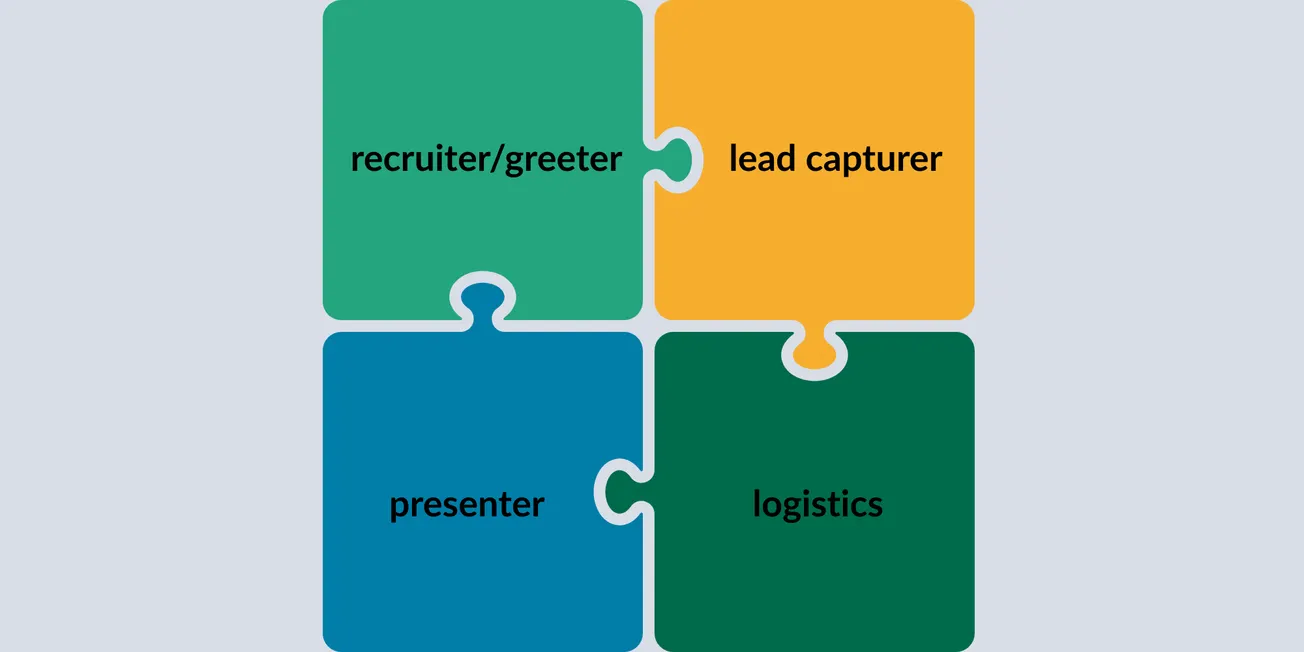
Five people on the floor and nobody is doing lead capture. The four jobs every EdTech booth needs to fill, and how to actually staff them.

After hundreds of K-12 conferences, we see one pattern: every attendee at your booth is one of four people. Knowing which one decides the conversation.
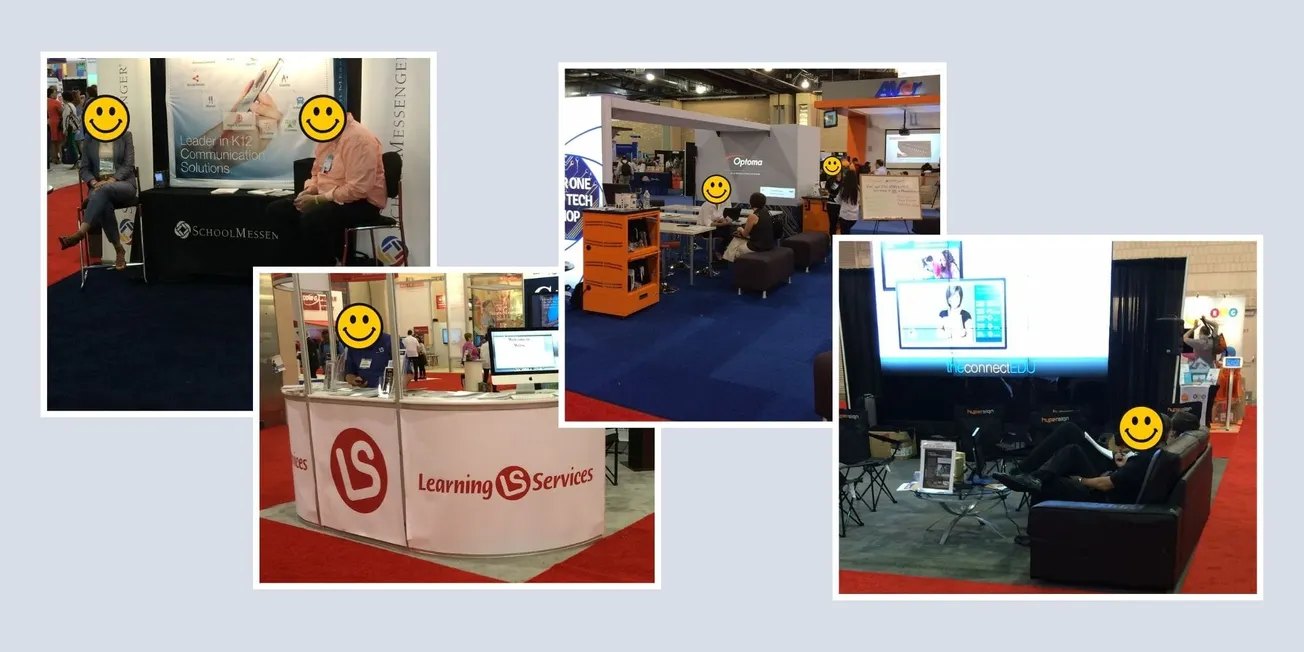
I have walked a lot of conference exhibit halls over the past twenty years. The booths that pull people in and the booths that repel them are usually separated by one thing: whether the staff is standing at the edge of the space or hiding behind a table with their phones out.

Companies that come back from conferences with real traction are the ones that treated the conference as the last step in a preparation process, not the whole event.

Just because ISTE is the biggest conference, doesn't mean it's the best one for your company. Let's break down what it takes to make the most of the experience.

A district leader who won't answer a cold email will attend their association's annual conference and read their newsletter. Here's how EdTech companies should engage associations.