Table of Contents
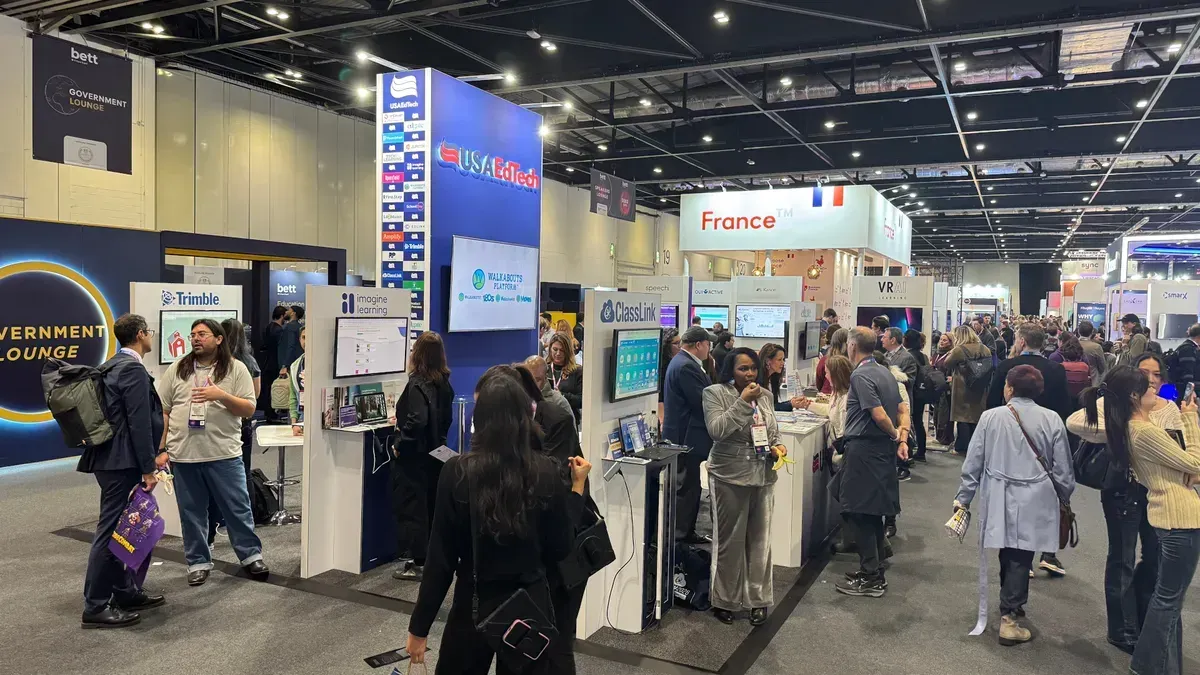
We've staffed dozens of clients' booths over the past twenty years. The pattern we see most often isn't understaffing. It's unassigned staffing. Five people on the floor and nobody is doing lead capture.
The four jobs at every booth
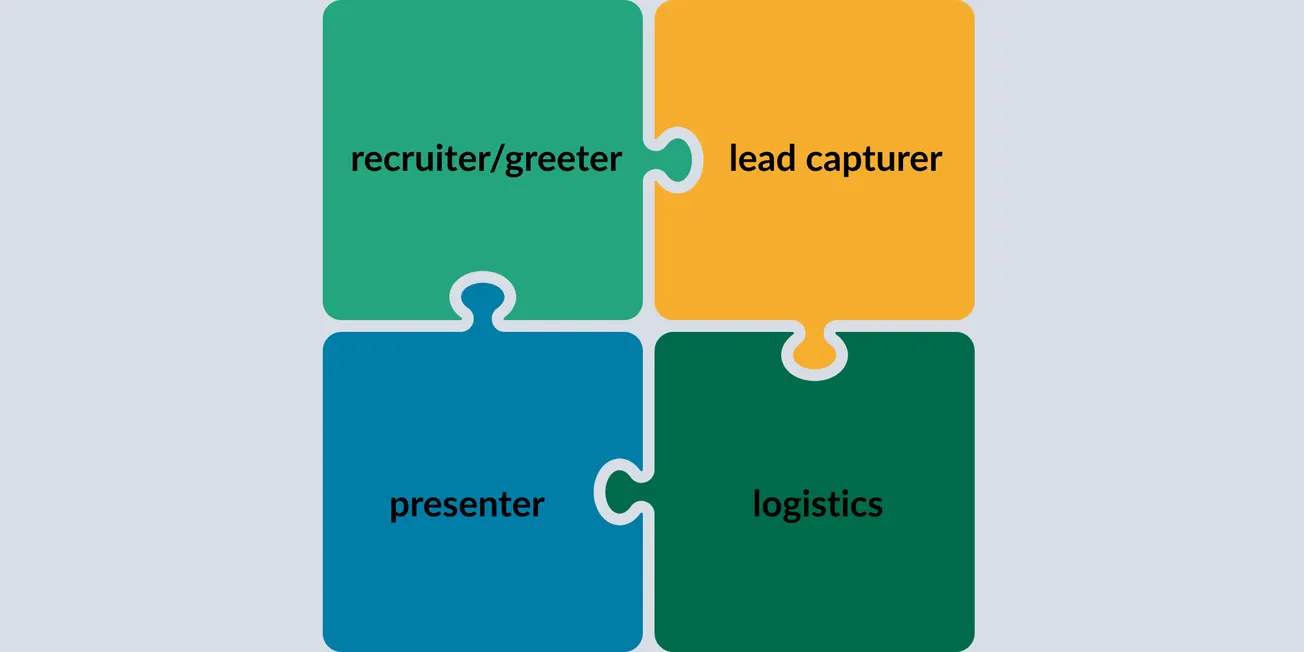
There are four roles that have to be covered at any exhibit, regardless of company size or booth footprint.

The recruiter/greeter works the edge of the booth. Eye contact, opens conversation, qualifies in ten seconds, and routes. Nothing else.
Lead capture is the one with the scanner, the iPad, the form, or whatever your CRM accepts. Sometimes this is the greeter. Sometimes it isn't. Either way, somebody owns it.
The presenter delivers the in-booth demo or the conference session. They are not also the greeter. The presenter is a magnet. The greeter is a funnel. They are different jobs.
The logistics owner handles setup, breakdown, restocking handouts, fixing the screen when it freezes, and making sure water and breath mints are within reach. The logistics owner is the reason the other three roles can focus.
Where it falls apart
By 11am on day one, the schedule has melted. The greeter has drifted to the demo screen because there was a lull. The presenter is in a session across the hall. The logistics owner is on a coffee run. Lead capture, technically, is whoever is closest to the scanner.
We have seen booth teams of six people leave a major conference with eighteen qualified leads. The booth wasn't unstaffed. It was unassigned.
Why coverage isn't ownership
When everyone is responsible for greeting, nobody is. When everyone is responsible for lead capture, the scanner sits on a chair. This isn't a moral failing. It's a predictable result of how groups behave when roles are implied instead of named.
How to staff a three-day show
The exact rotation depends on team size and booth footprint, but the pattern works for almost any setup.
Block the day into 90-minute shifts. Each shift, name the greeter, the lead capture, and the logistics owner by name and by time. The presenter is scheduled separately because their hours are dictated by sessions.
Nobody should hold a role for the full day. Greeting is exhausting. Lead capture requires sustained attention. Rotate them out.
The presenter, when they're not presenting, becomes the greeter on the highest-traffic shift. Their face is the one prospects recognize from the session, and that recognition does the qualifying for you.
One question to ask before you ship
At your pre-event meeting, project the schedule on the screen and ask each person, by name, what their role is during each shift. If anyone hesitates, you haven't staffed the booth. You've populated it.
The teams that come back with a real pipeline aren't the ones with the most people on the floor. They're the ones where the people on the floor know which job they're doing right now.