
Skip to content

5 Things at Your Booth That Tell Prospects You Don't Want to Talk

Chairs in front. Phones out. Lunch on the counter. Five booth habits that quietly repel every prospect who walks past. We've made all of them.

We've walked past thousands of booths at EdTech trade shows. We've worked on dozens of them. And we've made every one of these mistakes ourselves.

The following is an honest (and affectionate) roast.

1) The chairs

If there are chairs in the front half of your booth, you've given your team explicit permission to sit. They will, and your prospects will walk right on by. Being eye level with prospects makes it easier to catch their attention.

Sit in the back of the booth, only when on a break, out of sight. The front of the booth is for standing.

2) The table

A six-foot table across the front of your booth is a moat. It says "do not enter." Prospects will respect the moat.

Push the table to the side. Or push it to the back. The front of your space should be open and walkable. We've seen booth conversion rates change measurably when teams move the table six feet to the right.
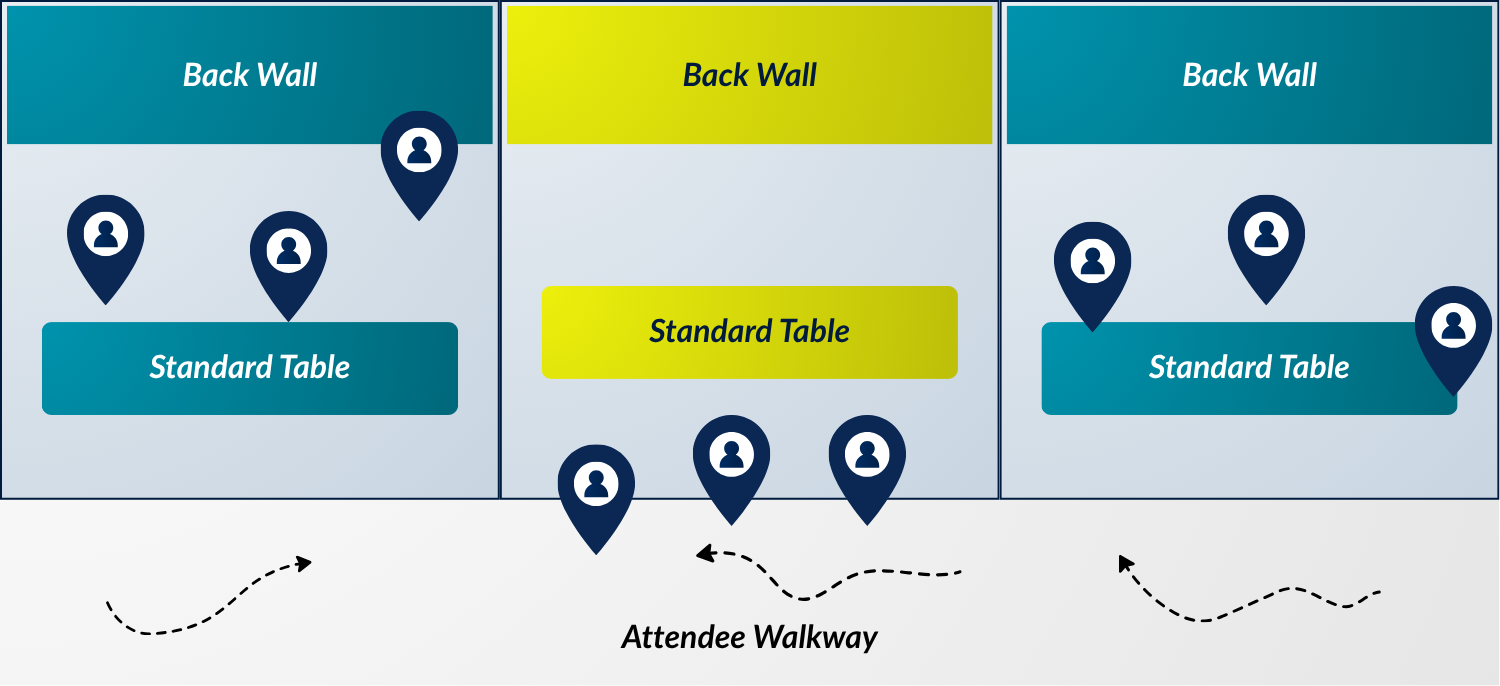
Booth staff stand in front of the table and actively engage attendees!

This post is for subscribers only

Subscribe

Already have an account? Sign In

Latest

Dark blue background with white text reading "An exclusive pulse survey for educators at ISTELive26. Your expertise deserves a spotlight."

ISTE 2026 Pulse Survey

Grounding EdTech innovation in the reality of the classroom. Who this survey is for We're gathering real-time, on-the-ground insights exclusively from active, practicing: * Classroom Teachers & Specialists * Instructional Coaches and Technology Coordinators * School & District Administrators Why Your Perspective Matters Your insights help us show

Members Public
Raise Your Accessibility Game

Raise Your Accessibility Game

Our industry is increasingly focused on digital accessibility standards due to regulations such as Title II in the United States and the European Accessibility Act. For developers of interactive and game-based learning content, complying with these standards presents real challenges.

Members Public