


If You're Going Global, Don't Go it Alone
Expanding into international markets without local knowledge is one of the more avoidable ways to waste a year and a significant budget.
Expanding into international markets without local knowledge is one of the more avoidable ways to waste a year and a significant budget.

So many EdTech award programs are not worth the time, effort, and expense. Here’s four that are worth it.

SEO is not dead. But if you are not optimizing for AI answer tools, half your audience is never finding you.

Educators receive more vendor email than almost any other professional audience. They have developed a fast, accurate filter for content that exists to serve the sender rather than the reader. Once your company lands in that category, getting out is hard.


When we talk about curriculum mapping with EdTech clients, we usually have to reframe it first.

I'm not suggesting we drain the warmth from our interactions. I'm not asking anyone to stop being enthusiastic. But there's a version of enthusiasm that is earned and specific and therefore actually moves people. Then there's a version that is reflexive and inflated and therefore moves no one.

But we’re exhausted, and we need less to do more. If companies want to make an impact, they need to start by truly listening to the people in the classroom.

Education data services are transforming how EdTech companies build and maintain their contact databases. Here's what to know before you engage a provider.

K-12 education funding flows from three sources: federal, state, and local. Knowing which programs apply to your EdTech solution is what closes deals.
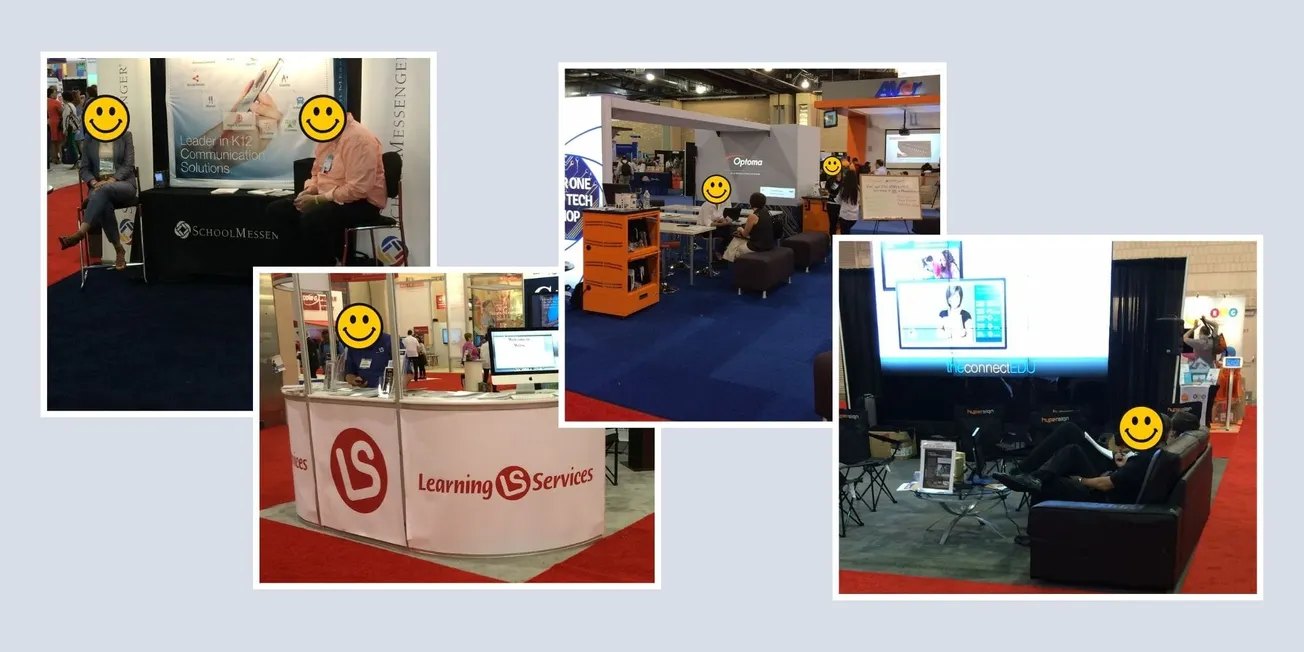
I have walked a lot of conference exhibit halls over the past twenty years. The booths that pull people in and the booths that repel them are usually separated by one thing: whether the staff is standing at the edge of the space or hiding behind a table with their phones out.

Inequity is not transactional. It's a lived experience that has not quieted down in the past six years, much less the past 400 years. When an education company goes silent, it's transactional choice about whose discomfort gets prioritized.

Companies that come back from conferences with real traction are the ones that treated the conference as the last step in a preparation process, not the whole event.

Most companies entering the U.S. market assume their content is closer to ready than it actually is. The gap analysis tells a different story.

Recently, I sat in a product demo. I saw a button that said, "AI-powered." So I asked which Large Language Model it was built on. Or what that that button does or meant. The vendor said, "I am not sure. I will have to get back to you."

In 2025, Chinese families bought 6.32 million AI learning tablets - a four-year surge that has seen annual sales nearly double since 2021 (3.34 million units). The broader educational device market is expected to grow significantly over the next few years and expand beyond the Chinese borders.