


How to Build an EdTech Content Marketing Program That Generates Pipeline
How to build a content program that builds trust with district leaders, generates qualified leads, and compounds in value over time.
How to build a content program that builds trust with district leaders, generates qualified leads, and compounds in value over time.

After 20 years training sales and marketing teams on event best practices, we've found one framework that holds up across every show. The four questions every conference conversation must answer.

You spent good money on ISTE. You spent zero hours debriefing it. Five questions every EdTech team should answer within a week of every conference.

Chairs in front. Phones out. Lunch on the counter. Five booth habits that quietly repel every prospect who walks past. We've made all of them.
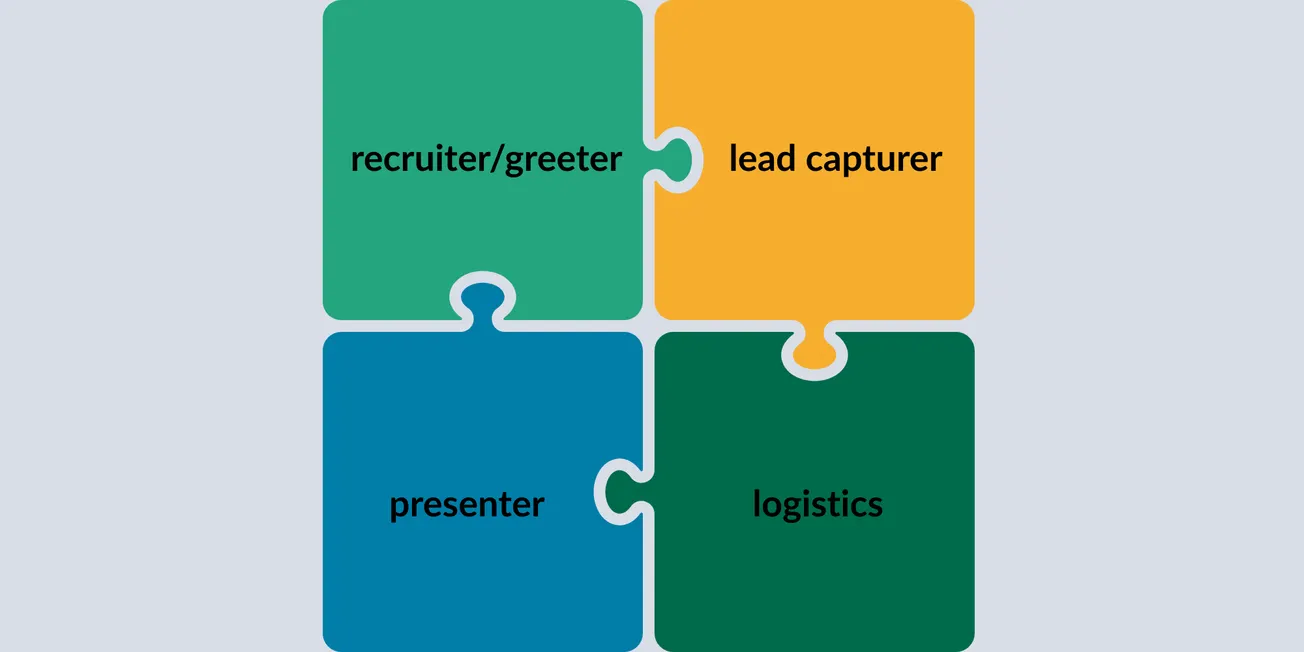
Five people on the floor and nobody is doing lead capture. The four jobs every EdTech booth needs to fill, and how to actually staff them.

After hundreds of K-12 conferences, we see one pattern: every attendee at your booth is one of four people. Knowing which one decides the conversation.

A former teacher of 13 years explains why districts sign contracts but teachers decide whether EdTech products actually get used and why your ICP needs a rethink.

134 bills across 31 states are reshaping AI in education. Here's how past policy trends and one surprising historical parallel hint at what's next.

Unmet needs ran through nearly every response to our national survey. A key one was differentiation. While the industry uses this as an SEO keyword or a presentation buzzword, it seems that this kind of daily challenge is being addressed by the industry in words only, not in deeds.

When 250 companies are declared the top EdTech companies in America, the phrase loses its meaning almost immediately.

When the second largest district in the country unanimously votes to audit its EdTech contracts and pull devices from its youngest students, the market is telling you something about where the conversation is headed.

Your Case Studies Might Be Boring Because They Lack a Heartbeat

The rural K-12 market is not a secondary consideration or a footnote to a broader go to market strategy. It is a substantial, diverse, and underserved segment of American education.

On April 24, 2024, the U.S. Department of Justice finalized a new rule under Title II of the Americans with Disabilities Act, imposing significant digital accessibility requirements on public entities, including public schools and universities. The deadline is April 24, 2026.

We asked educators what they think about different aspects of the education industry. The results were insightful, heart-felt, and grounding. Let's just say that providers have their work cut out for them.

One of the most underutilized capabilities in EdTech marketing is the targeted list pull. Companies either avoid education data services entirely because they feel intimidating, or they engage a provider without enough preparation to get real value out of it.